Silicon Valley's H-1B District
California's 17th district has one of the country's largest foreign-born and Indian-American populations, with 50.4% of residents born outside the United States in 2024. Its demographic history shows how a labor-visa system can reshape a local electorate.
Key Findings
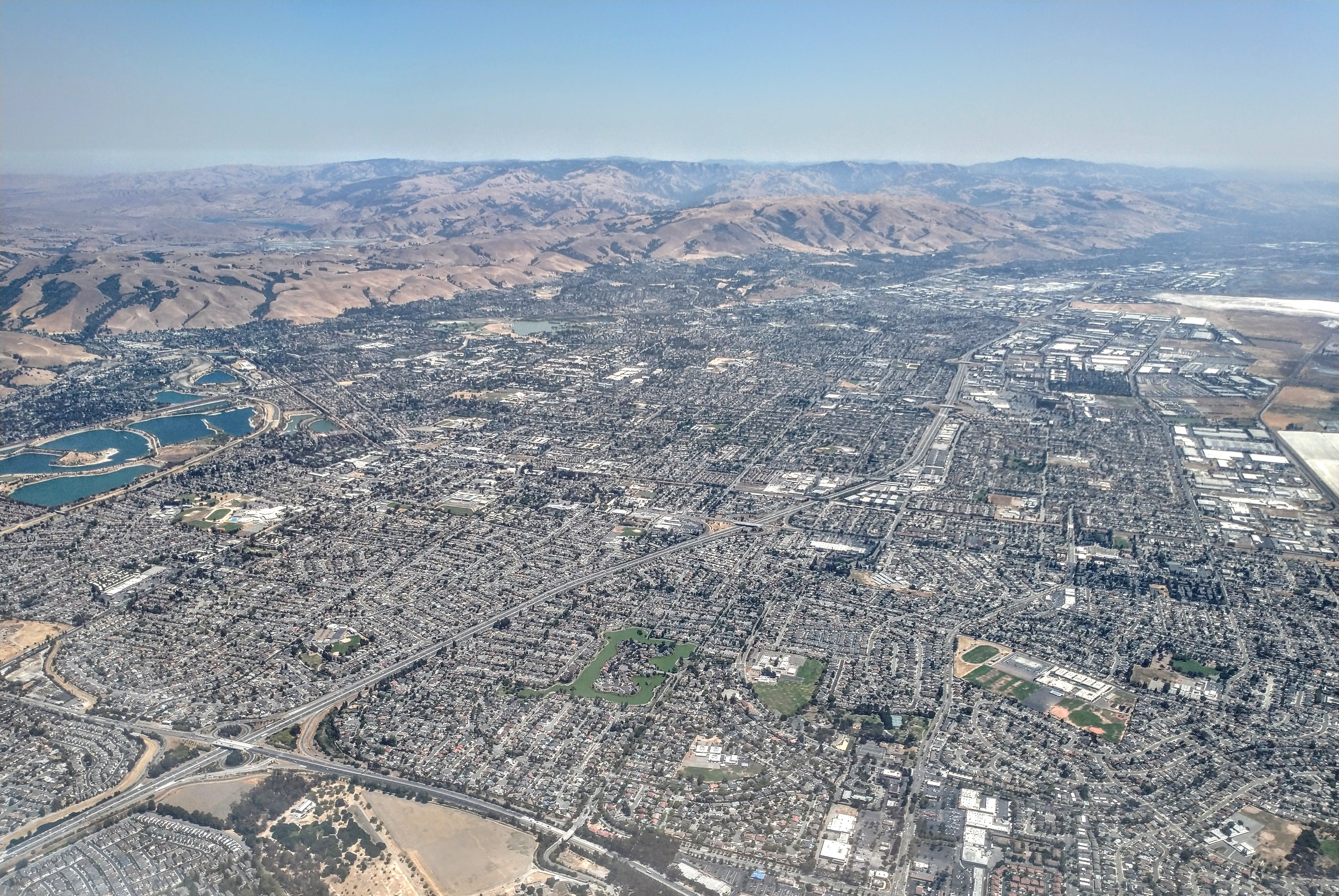
California's 17th congressional district, which covers Bay Area cities such as Cupertino, Fremont, Milpitas, Sunnyvale, and parts of San Jose and Santa Clara, is 50.4% foreign-born. It has one of the country's largest Indian-origin populations.
The H-1B category predates 1990. The Immigration Act of 1990 raised its cap and broadened the employment-based system; Silicon Valley then became one of the program's largest destinations, while India became its largest source country.
The district elected Ro Khanna, a member of the Congressional Progressive Caucus whose voting record places him further left than about 88% of House representatives in Voteview’s 119th-Congress dataset.
All six Indian-American representatives in the 119th Congress are Democrats. Their voting records span the party: Pramila Jayapal and Ro Khanna rank substantially further left than Ami Bera and Suhas Subramanyam.
California's 17th congressional district is one of a few areas in the country where the majority of residents were born in another country. As of 2024, 50.4% of its people were foreign-born. No congressional district in the United States has a larger Indian-American population.
The district is a useful case study in what a large employment-visa pipeline can do to a local population and its politics.
How the visa pipeline changed the district
The Immigration Act of 1990 raised the H-1B cap and expanded employment-based immigration. The technology industry became its largest user. India supplies roughly 70% of approved H-1B beneficiaries. The visas flow to where the jobs are, and many of those jobs are in Santa Clara County.
The demographic effect was concentrated and fast. Santa Clara County's Chinese, Indian, Vietnamese and Filipino population rose from under one in five residents in 1990 to roughly two in five by 2020. Chinese residents are now 11% of the county and Indian residents 11%. Cupertino and Fremont became majority Indian and Chinese cities. The district that now sends a representative to Washington did not have this population profile before the visa pipeline expanded.
The workforce moved first. In 1990, 30% of Silicon Valley technology workers were foreign-born. By 2025 the figure was 66%, with India the largest source at 23% and China second at 18%. Only 17% of the valley's technical workforce was born in California.
The demand behind that is not close to satisfied. Citizenship and Immigration Services received 470,300 H-1B registrations for the 2024 cycle against an annual cap of 85,000, so the programme turns away roughly four applicants for every one it admits, and about half of those admitted work in the Bay Area. A category drafted in 1990 for rare specialists is now oversubscribed five to one and concentrated in a handful of counties.
Each worker who converts an H-1B into a green card gains the right to petition for a spouse, parents and adult siblings, so the admission is not a single arrival.
Volume and concentration change a place. A district that absorbs a large, geographically clustered immigrant population over thirty years does not vote the way it did before.
The representative the district produced
Ro Khanna was born in Philadelphia in 1976. His parents immigrated from Punjab, India, in 1968, and his maternal grandfather took part in India's independence movement. That family history is relevant to the district's political coalition. It is not evidence that ancestry determines a person's politics.
He has represented the 17th since 2017. He sits in the Congressional Progressive Caucus and has built a national profile around an expansive economic agenda. On Voteview’s measure of liberal-to-conservative voting patterns, he ranks 55th from the liberal end among 444 scored House representatives in its 119th-Congress dataset—further left than about 88% of the other representatives. This comparison covers representatives who served during that Congress, including replacements, and excludes nonvoting delegates. It uses the data retrieved on September 22, 2026.
Heritage Action, a conservative advocacy organisation, gives him a separate 0% session score for the 119th Congress and a 7% lifetime score as of the same date. Those scores measure alignment with Heritage Action’s selected positions; they are not percentile rankings among members of Congress.
Khanna's immigration position is explicit. His own issue survey supports preserving H-1B visas for high-skilled foreign workers while targeting employer abuse. That approach accepts the basic volume of the pipeline and argues over administration. It does not ask whether a district that is already 50.4% foreign-born should continue adding workers and their families at the same pace.
Khanna also serves as co-chair of the Congressional Caucus on India and Indian Americans. A bipartisan congressional delegation led by him visited Mumbai, Hyderabad, and New Delhi in August 2023. The public record supports that visit; it does not provide a reliable count of his private trips to India. The relevant criticism is therefore his documented advocacy and travel as an elected official, not speculation about how often he visits family or what his ancestry makes him.
There is nothing unusual in a representative reflecting his constituents. That is what representation is. The point is narrower and it is about cause. The 17th did not elect a progressive because Silicon Valley was always going to. It elected one after a federal visa program filled the district with a new population over three decades, and the politics followed the people.
A pattern across districts
California’s 17th combines a large Indian-American population with a representative whose voting record is further left than about 88% of his House colleagues. The broader congressional picture also shows a clear partisan pattern: all six Indian-American representatives serving in the 119th Congress are Democrats. Suhas Subramanyam’s arrival in January 2025 increased their number from five to six.
| Representative | District | Voting record: more liberal than this share of other House representatives |
|---|---|---|
| Pramila Jayapal | Washington 7 | About 99% |
| Ro Khanna | California 17 | About 88% |
| Raja Krishnamoorthi | Illinois 8 | About 70% |
| Shri Thanedar | Michigan 13 | About 70% |
| Ami Bera | California 6 | About 58% |
| Suhas Subramanyam | Virginia 10 | About 56% |
These comparisons use the same Voteview dataset, measure and House cohort described above, retrieved September 22, 2026. Khanna, Jayapal and Thanedar appear on the Congressional Progressive Caucus membership list. Bera belongs to the New Democrat Coalition, which describes itself as centre-left. All six being Democrats is a stronger and more precise conclusion than calling them uniformly progressive.
Their constituencies also need separate examination. An Indian-American representative’s election does not establish that the district has a large Indian population or that Indian-American voters decided the result. Comparisons with their other districts require population and election data for each seat; the representative’s ancestry is not a measure of the electorate.
The 1990 Act accelerated this process. It raised legal admissions and expanded employment categories while launching the Diversity Visa lottery. Congress debated the law as a labor and visa measure. The electoral consequence arrived later, district by district, while subsequent Congresses avoided treating admission levels as a political decision in their own right.
Representation follows settlement
A serious immigration policy treats the scale of admissions as a decision the country makes deliberately, with its long-run effects on the table. That means lower and more sustainable legal immigration, an H-1B program restricted to genuinely exceptional skills rather than used as a volume pipeline, and an honest accounting of how a visa category written in 1990 reshaped the map.
The 17th district is not an argument about any individual. It is a record of what happens when a single program concentrates a large population in one place over thirty years. The other case studies in this series tell the same story in different districts.
Sources
-
Data USA, Congressional District 17, California (American Community Survey) - 50.4% foreign-born; largest Indian-American population of any congressional district
-
US Citizenship and Immigration Services, H-1B Employer Data Hub; Pew Research Center, "Key facts about the US H-1B visa program" (27 April 2017) - technology industry as the largest user; India as the source of roughly 70% of recipients
-
Voteview: 119th-Congress House member data; methodology - calculation from first-dimension scores retrieved September 22, 2026: Khanna −0.458; 54 representatives have lower (more liberal) scores and 389 have higher scores, among 444 scored representatives from the 50 states. 389 ÷ 443 = 87.8% of other representatives. Includes all representatives recorded during the Congress, not only current seat holders.
-
Heritage Action Scorecard - Ro Khanna: 119th-Congress session score 0%; lifetime score 7%, checked September 22, 2026. Measures alignment with the organisation’s selected positions.
-
US Census Bureau, Santa Clara County, California (QuickFacts and decennial census) - Chinese, Indian, Vietnamese and Filipino share of the county population over time
-
Congressman Ro Khanna, official biography, US House of Representatives - born in Philadelphia in 1976 to parents who immigrated from Punjab, India, in 1968
-
Joint Venture Silicon Valley, Silicon Valley Index - foreign-born share of the technology workforce rising from 30% in 1990 to 66%; India 23% and China 18% as source countries; 17% of the technical workforce born in California
-
US Citizenship and Immigration Services, H-1B Electronic Registration Process results - 470,300 registrations against an annual cap of 85,000 for the 2024 cycle
-
Congressional Research Service, "US Family-Based Immigration Policy" - family sponsorship rules
-
Representative Ro Khanna, Immigration Reform Issues Survey - support for retaining high-skilled H-1B visas while addressing employer abuse
-
Hindustan Times, congressional delegation to India - August 2023 delegation led by Khanna
-
Biographical Directory of the United States Congress - official portrait and congressional biography
-
U.S. House: representatives by state and district; Subramanyam sworn in, January 3, 2025 - the six representatives, their districts and Democratic affiliation in the 119th Congress.
-
Congressional Progressive Caucus membership; New Democrat Coalition membership and description - caucus affiliations checked September 22, 2026.