Nation of Settlers

The Path Forward

Simplicity is key. Here are five changes to get our country's immigration policy and assimilation efforts back on track.

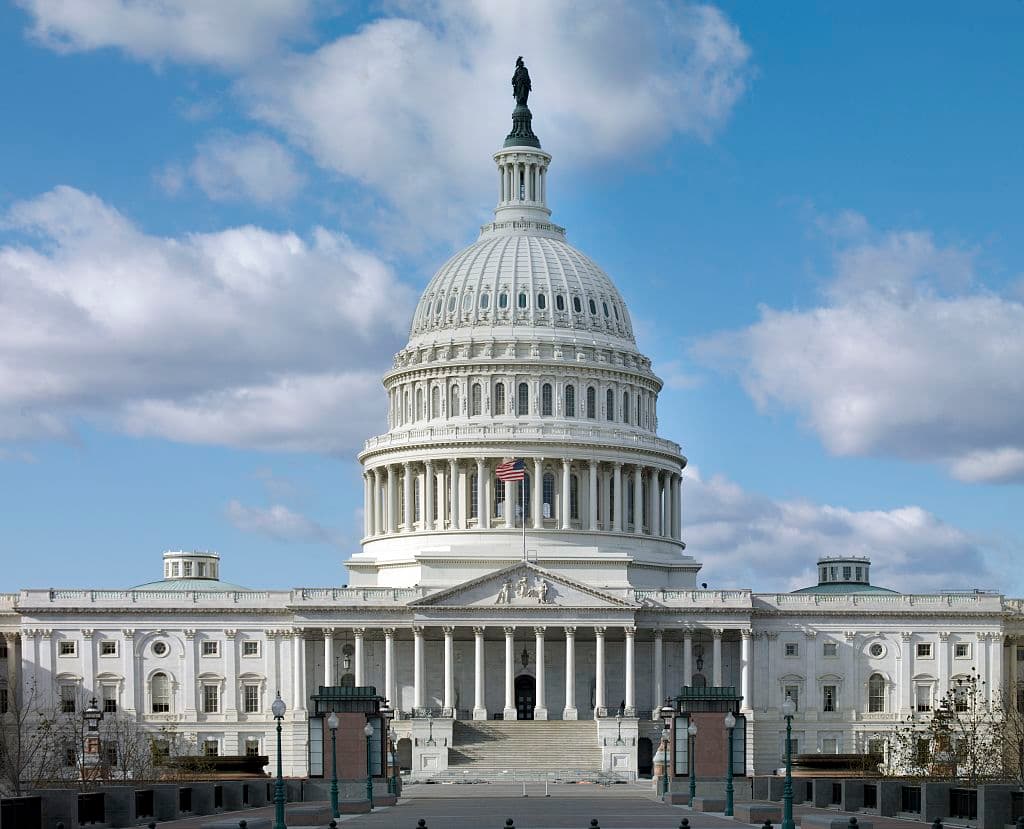
  1. United States Capitol · Washington, D.C.

    United States Capitol · Washington, D.C.

    1.Zero illegal immigration

    Nobody is allowed into the country illegally.

    Specifics
    • Prevent unlawful entry and enforce visa departure requirements.
    • Congress sets the legal framework and funding; agencies administer border enforcement, visa compliance and immigration adjudication. A zero-entry target is a policy goal, not a guaranteed operational result. Removal remains subject to applicable procedures and protection claims.
    [1]
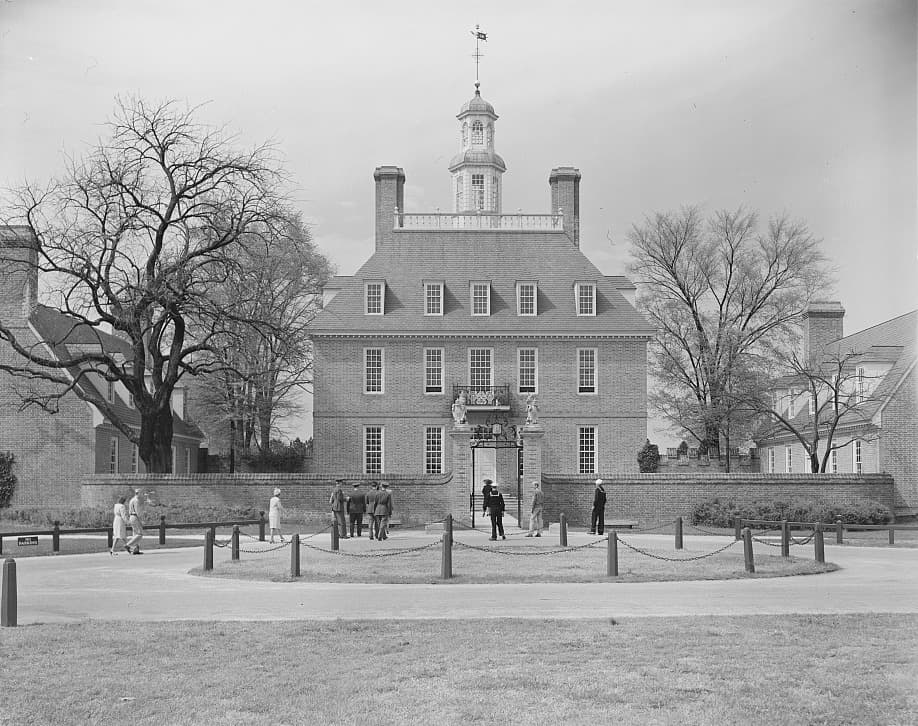
  2. Governor’s Palace · Williamsburg, Virginia · 1943

    Governor’s Palace · Williamsburg, Virginia · 1943

    2.No amnesty

    No illegal entry into the country who has come into the country illegally will be given amnesty.

    Specifics
    • Do not create a broad amnesty for people present unlawfully.
    • A new broad legalization program would require legislation. Existing eligibility for relief or lawful status is governed by separate provisions; opposing a new amnesty does not itself repeal them.
    [1][2]
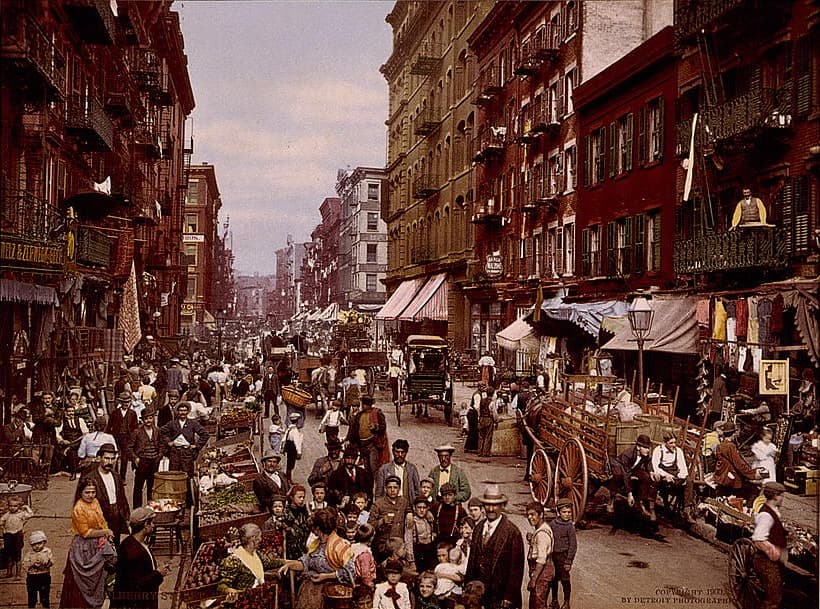
  3. Mulberry Street · New York · circa 1900

    Mulberry Street · New York · circa 1900

    3.Cap annual admissions at 200,000

    Focus the reduction on family visas; count H1 places within the same annual ceiling.

    Specifics
    • Set a combined ceiling of 200,000 people per year for family visas and the proposed H1 route, with family visas accounting for most places.
    • For scale, 200,000 is about 81% below the 2015–24 average of 1.05 million annual green-card grants. This is not a forecast for new arrivals: grants include adjustments of status, while H1 is a temporary category.
    • Change the relevant family-admission categories and numerical limits by legislation; do not count the proposed reduction as an observed result.
    [2][5]
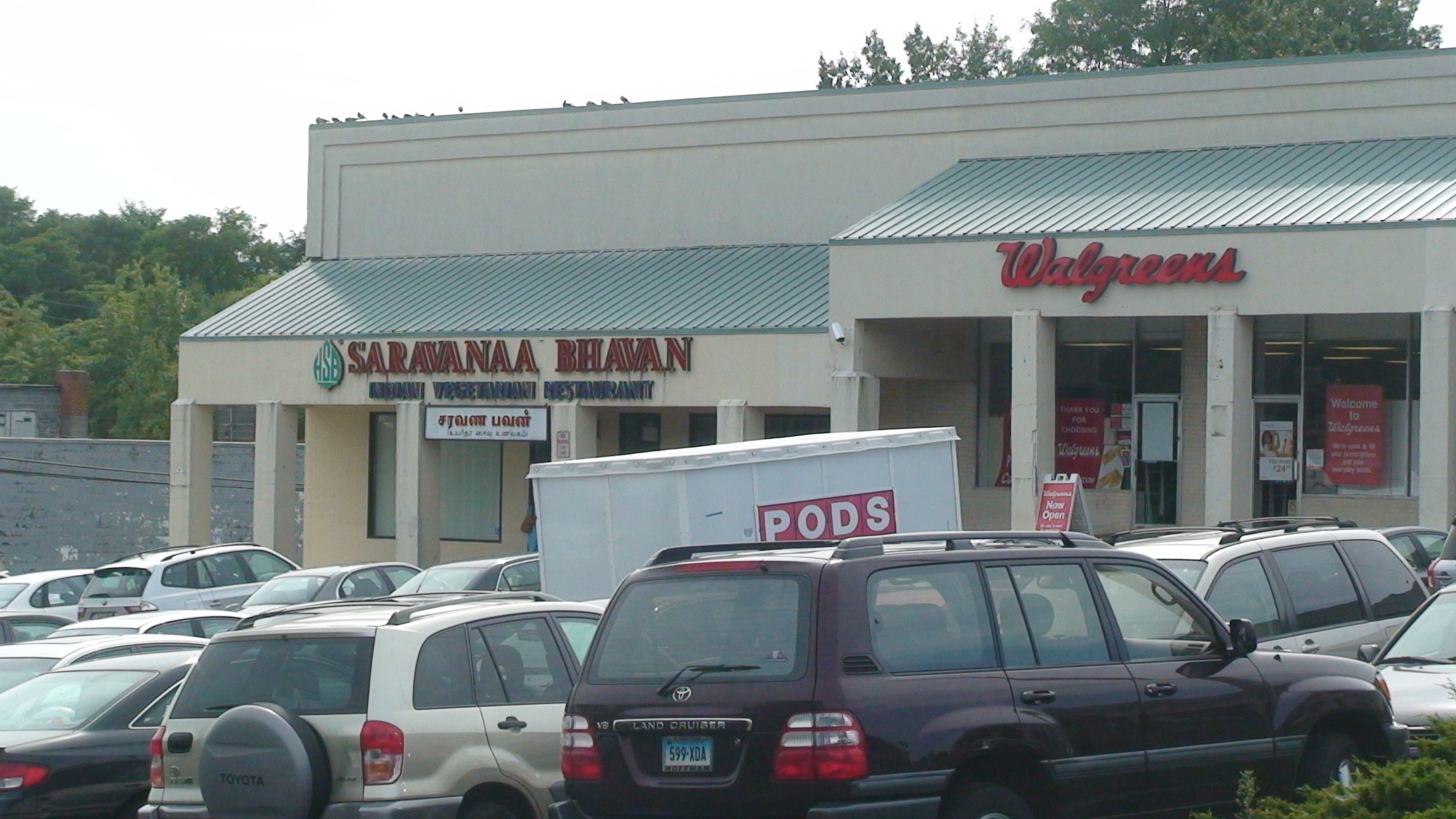
  4. Saravana Bhavan · Edison, New Jersey · 2009

    Saravana Bhavan · Edison, New Jersey · 2009

    4.End H-1B

    End H-1B and Optional Practical Training (OPT); establish a limited H1 route for applicants with exceptional qualifications.

    Specifics
    • End H-1B and OPT. Establish a new H1 category for exceptional qualifications, with no more than 50,000 people per year, including dependents, within the 200,000 combined ceiling.
    • Borrow the pre-1990 H-1 route’s temporary, employer-petitioned structure, but use a stricter exceptional-qualification test. The old H-1 had no annual numerical cap; 50,000 is a new proposal.
    • Require the employer to pay $100,000 per principal worker; payment would not substitute for an independent qualifications review.
    • Set a salary floor at the higher of the national or local 90th-percentile wage for the occupation, using BLS occupational wage data. Exceptional work must be demonstrated independently of pay.
    • Allow an eligible student who completes four years of US study to apply directly for H1, without an OPT period.
    • Allow existing H-1B workers to seek H1 under the new criteria without automatic approval. Create a defined route from H1 to permanent residence within the annual ceiling; citizenship would remain a separate application after permanent residence.
    • Congress must define the new category, annual limit, employer fee, maximum stay and transition rules for existing approvals, dependents and pending applications.
    [1][3][4][6][7][8]
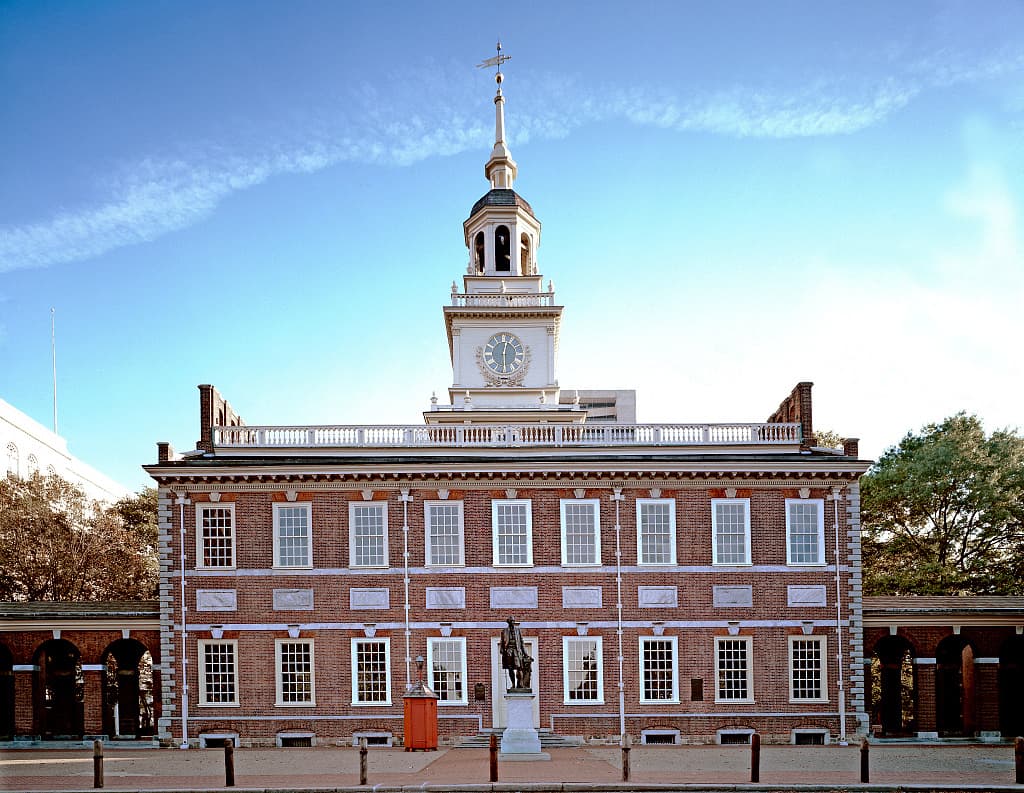
  5. Independence Hall · Philadelphia, Pennsylvania

    Independence Hall · Philadelphia, Pennsylvania

    5.Require an annual congressional vote on refugee admissions

    Congress would publicly debate and vote each year on whether to authorize refugee admissions, who qualifies, and the annual cap. Without renewal, there would be no new admissions under the program. Agencies could not create, expand, or renew it on their own.

Sources

  1. Department of Justice — Immigration court and removal proceedings
  2. Immigration and Nationality Act — Permanent admission categories and numerical limits
    Source notes

    The relevant legislation was the Immigration Act of 1990.

  3. 8 U.S.C. 1184 — Admission of nonimmigrants
  4. ICE — Student practical training
  5. OHSS — Lawful permanent residents, fiscal years 2015–2024
  6. Senate report — Pre-1990 H-1 and the 1990 H-1B changes
  7. BLS — Occupational Employment and Wage Statistics, May 2025
  8. USCIS — Naturalization eligibility for permanent residents
Photography credits