Commentary & Analysis
Research and analysis on American immigration policy.
 Demographics·
Why Immigration Looks Different From One Town to the Next
The national immigration percentage is only a starting point. Where people settle determines what changes show up in housing, schools, jobs and civic life.
 Immigration Data·
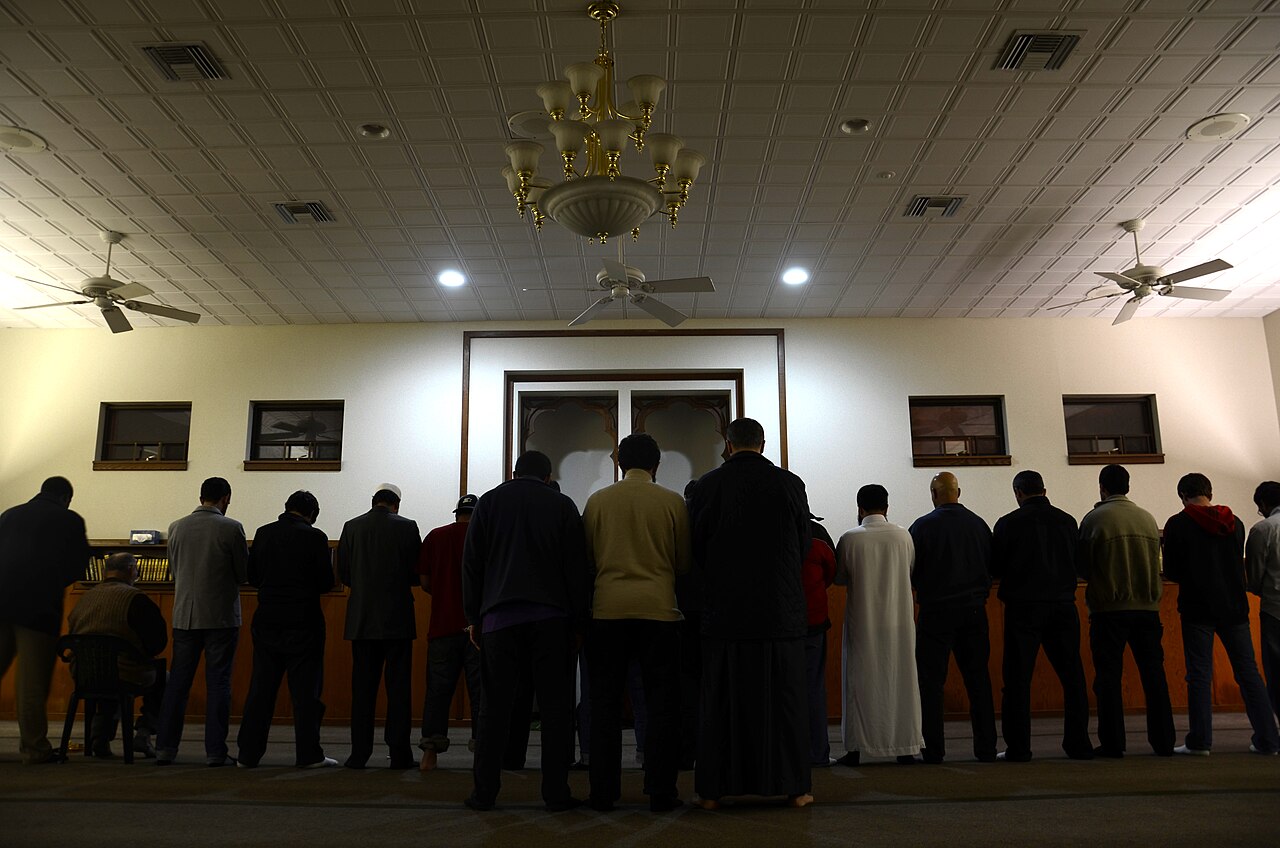
Immigration from Muslim-Majority Countries Fell 96% Under Trump
Monthly immigrant visa issuances and lawful refugee admissions from 45 Muslim-majority countries fell from ~21,000 in December 2024 to ~800 in February 2026, a drop of 96%.
 Political Analysis·
Who Benefits from Mass Immigration
Immigration - and mass immigration in particular - benefits some more than others. After 35 years of mass immigration in the United States, it's made some companies and people incredibly wealthy, while hurting the majority of Americans.
 Analysis·
Admissions and Citizenship Are Two Different Policy Decisions
The 1990 Immigration Act expanded the legal immigration framework. Naturalization determines when permanent residents can join the electorate. A serious reform needs to explain both.
 Cultural Integration·
Why Everyone Should Visit Dearborn, Michigan
Nearly half of Dearborn speaks Arabic at home. It is whether the United States intends to keep admitting people at a volume and concentration that reproduces the sending country inside an American city, while asking nothing of anyone who arrives.
 Political Analysis·
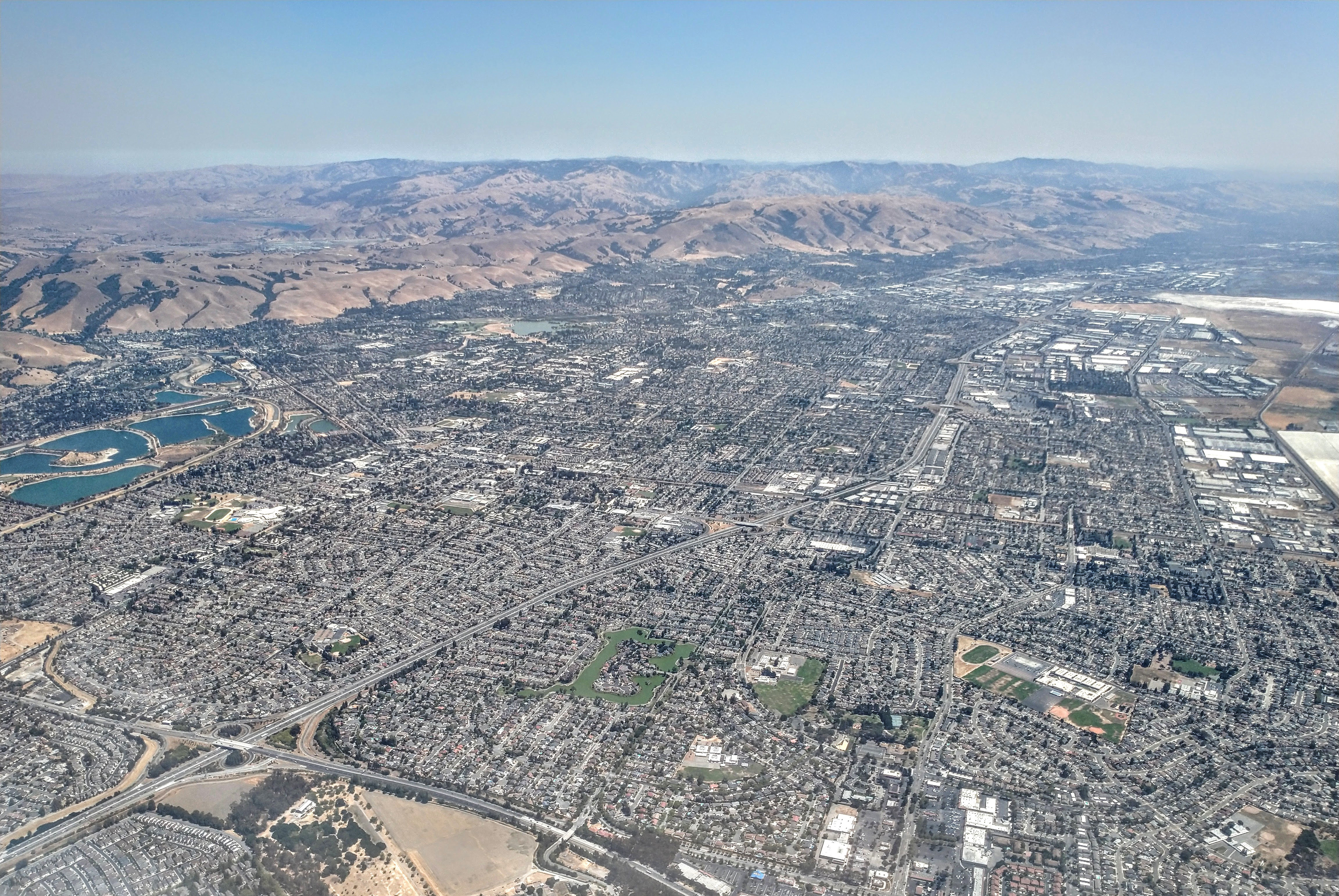
Silicon Valley's H-1B District
California's 17th district has one of the country's largest foreign-born and Indian-origin populations, with 50.4% of residents born outside the United States in 2024. Its demographic history shows how a labor-visa system can reshape a local electorate.
 Demographics·
Why India and China's Population Size Make Them an Immigration Problem
India and China - at 1.45 billion and 1.42 billion people respectively - represent enormous population centers. Both can afford to lose millions of people in outward migration and feel no negative effects. Yet, these numbers can completely reshape the average American state or city.